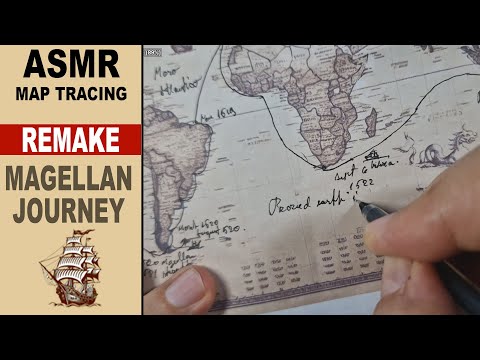
ASMR: The SIKH regional Empire | Less Known Facts & Secrets | Old paper map | Soft Spoken ASMR

While the SIKH Empire is known for its military prowess, religious tolerance, and the leadership of Maharaja Ranjit Singh, there are also some lesser-known facts and aspects associated with the Sikh Empire.
#asmrfacts #asmrhistory #historyfacts #asmrtracing #asmrsoftspoken #empires_civilization #empires #greatempires #sikhism #sikhhistory #sikhs #sikhempire #lahorenewshd
European Officers in the Sikh Army:
Maharaja Ranjit Singh recruited European officers, including French and Italian military experts, to modernize and train his army. Jean-Francois Allard, Ventura, and Paolo Avitabile were notable European officers who served in the Sikh Khalsa Army.
The Zamzama Cannon:
The Sikh Empire possessed a famous cannon called Zamzama, also known as Bhangianwala Toap. This massive artillery piece was captured by the British after the Second Anglo-Sikh War in 1849 and is now displayed in front of the Lahore Museum.
Lavish Court and Gardens:
Maharaja Ranjit Singh was known for his opulent lifestyle. He maintained a grand court with a lavish setup, including the use of precious materials and artifacts. The Shalimar Gardens in Lahore were expanded and beautified during his reign.
Toshakhana (Treasury):
Maharaja Ranjit Singh established a treasury known as the Toshakhana, which housed valuable treasures, including Koh-i-Noor diamond and other precious gems. The Koh-i-Noor eventually ended up in the possession of the British after the annexation of the Sikh Empire.
Secular Administration:
The Sikh Empire was known for its secular administration. While Maharaja Ranjit Singh was a devout Sikh, he promoted religious tolerance and appointed officials based on merit rather than religious affiliation.
Empire without a Standing Army:
Surprisingly, the Sikh Empire did not have a standing army in the conventional sense. Instead, the Khalsa Army was formed on an ad-hoc basis when needed. Soldiers were farmers who, during peacetime, would work on their land and become soldiers during conflicts.
Durbar Sahib Reconstruction:
Maharaja Ranjit Singh contributed to the reconstruction of the holiest site in Sikhism, the Golden Temple in Amritsar. He covered the temple's dome with gold leaf, giving it the distinctive appearance it has today.
Multilingual Empire:
The Sikh Empire was linguistically diverse. While Punjabi was the primary language, Persian and Urdu were also used in administrative and court affairs. The European officers brought in by Ranjit Singh communicated in French and Italian.
These lesser-known facts provide additional insights into the complexity and richness of the Sikh Empire's history and cultural heritage.
map credit: John Walker, Public domain, via Wikimedia Commons
Last updated:












![[ASMR] Revealing All My Secrets...](https://i.theasmrindex.com/uploads/thumbs/nQad1oFPb1Q.jpg)